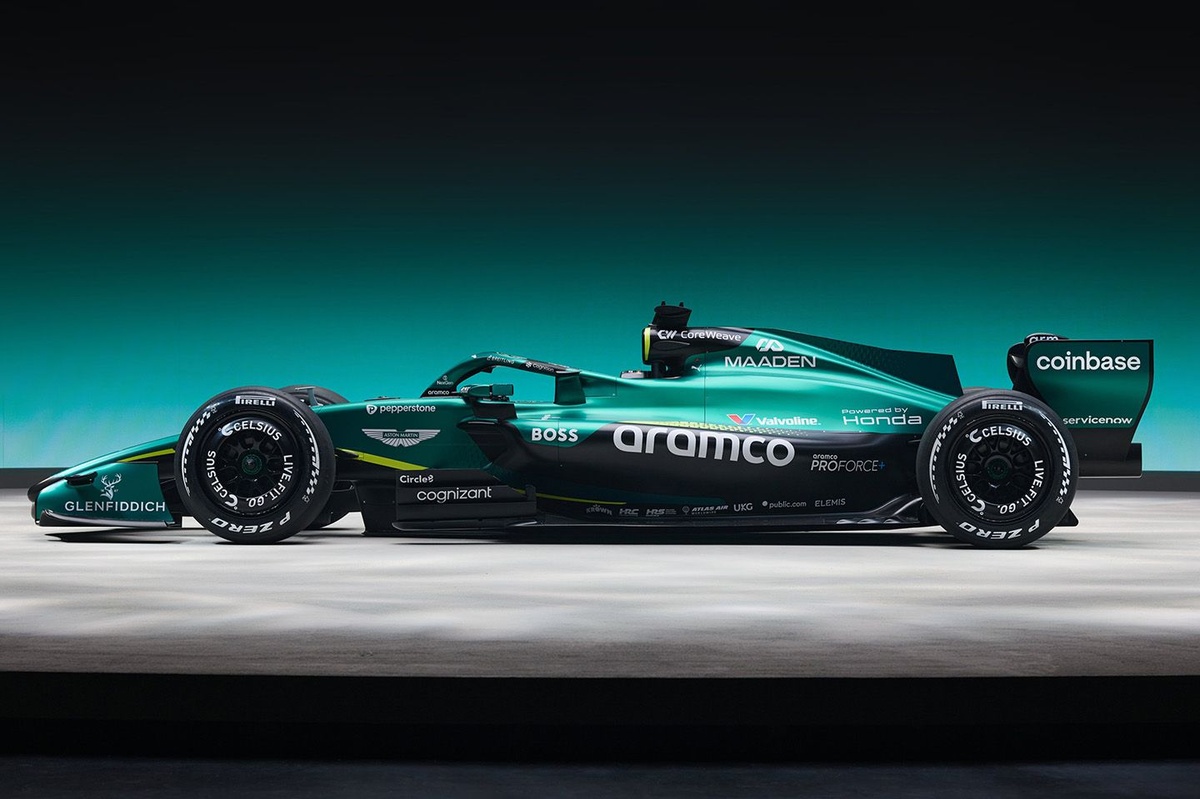
During Aston Martin's recent launch, the team emphasized that their focus for 2026 is centered on development rather than immediate performance results. This strategic approach highlights the importance of expectation management within the team and its partners, including Honda, which supplies power units. By setting realistic goals, Aston Martin aims to foster a long-term development process that aligns with their vision for future competitiveness.
Honda, as a key engine supplier, shares this outlook, understanding that patience and sustained effort are crucial for achieving optimal performance. The collaboration between Aston Martin and Honda involves carefully balancing expectations to ensure that technological advancements and reliability improvements are prioritized over short-term gains.
Meanwhile, Adrian Newey, the renowned F1 designer, is working on the development of the team's new car for 2026. His design philosophy is deeply influenced by the team's expectation management strategy. Instead of rushing to produce a car that delivers immediate results, Newey is focusing on creating a chassis that can adapt and evolve through continuous development.
Newey's approach involves integrating innovative aerodynamics and structural solutions that can be refined over time. This long-term perspective aligns with Aston Martin's broader strategy of patience and incremental progress, which is essential in the highly competitive environment of Formula 1.
Furthermore, the collaboration between the team and Honda involves extensive data sharing and joint testing to optimize power unit performance within the new chassis design. This partnership underscores the importance of expectation management, as both sides understand that breakthroughs require time and meticulous development.
In summary, Aston Martin and Honda's emphasis on managing expectations plays a pivotal role in shaping Adrian Newey's design philosophy for the 2026 F1 season. Their combined focus on development, patience, and innovation aims to position the team for future success, emphasizing that strategic planning and realistic goals are key to long-term competitiveness in Formula 1.